32 Chapple Street,
Gladstone Central QLD 4680
Trust our team of water damage repair experts to restore your property swiftly and efficiently. We provide 24/7 emergency services to get your home or business back to normal in no time.
In Gladstone, water damage is a complex issue, shaped by a humid subtropical climate and intense weather. Our proximity to the coast means challenges are different from those in drier, inland regions. A summer storm or the remnants of a tropical cyclone can force wind-driven rain into the structures of coastal homes in Tannum Sands and Boyne Island, penetrating standard window seals and roof lines. The persistent, salt-laden air from the harbour accelerates the corrosion of roofing screws and metal flashing, turning a minor issue into a major ingress point.
Gladstone’s housing portfolio presents its own set of vulnerabilities. The classic high-set Queenslander homes found in South Gladstone and West Gladstone, while iconic, often have aging plumbing and poorly ventilated sub-floor areas. A slow leak from a bathroom or laundry can saturate timber floor bearers and joists, leading to hidden mould proliferation and wood rot. In the post-war, low-set brick homes common in Clinton and New Auckland, water can become trapped behind non-porous brick veneer, leading to widespread structural decay if not addressed with specialised drying equipment.
Low-lying areas near the Calliope and Boyne rivers face the risk of inundation during significant rain events, potentially trapping contaminated water in sub-floors and wall cavities. We manage losses from these specific local scenarios weekly. Our IICRC-certified technicians are based in Gladstone and operate under the stringent guidelines of the AS/NZS S500 standard for professional water damage restoration. We know that drying a flood-affected Queenslander in Calliope requires a different strategy than a water-damaged commercial unit in Callemondah’s industrial precinct. We arrive with the technical knowledge and equipment purpose-built for the Gladstone region’s specific environmental and structural challenges.

24/7 Emergency Response
We operate around the clock across Gladstone, from the industrial port to residential suburbs like Glen Eden and Kirkwood. When a hot water system fails or a storm cell hits, you speak directly to a local technician who knows the difference between Barney Point and Benaraby.

Specialised Equipment for a Humid Climate
We deploy high-performance Low-Grain Refrigerant (LGR) dehumidifiers. LGR units are critical in Gladstone’s muggy climate, which sees oppressive humidity for over seven months of the year. They create a much drier atmospheric condition than conventional dehumidifiers, which struggle when ambient humidity is high. This dramatically accelerates structural drying times and is the key to preventing mould, which can germinate in as little as 24-48 hours in our climate.

Documented Restoration for Gladstone Insurance Claims
Our entire process is structured around the AS/NZS S500 standard, the science-backed protocol that Australian insurers like Suncorp, RACQ, and AAMI require for claim validation. We document every step, from initial moisture mapping with thermal cameras to final clearance testing, providing a comprehensive report that supports your insurance claim with auditable, professional evidence.
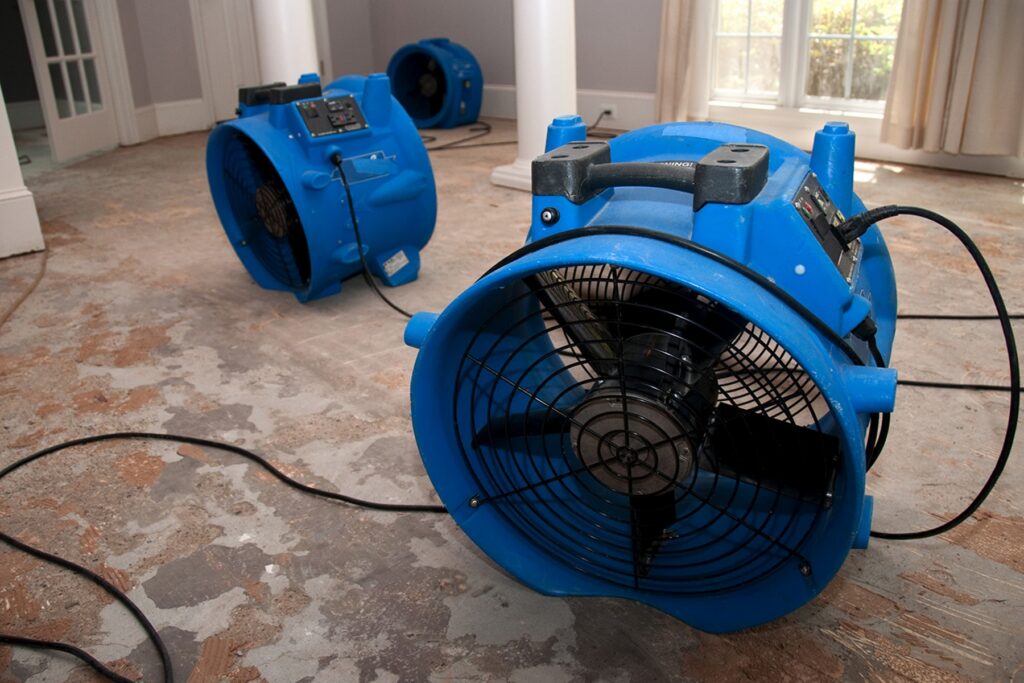
This service involves immediate water extraction and the setup of applied structural drying systems. The first 24 hours are critical to prevent secondary damage, like the swelling and delamination of cabinetry in modern New Auckland kitchens or moisture wicking up gyprock walls, a frequent failure point in local homes.
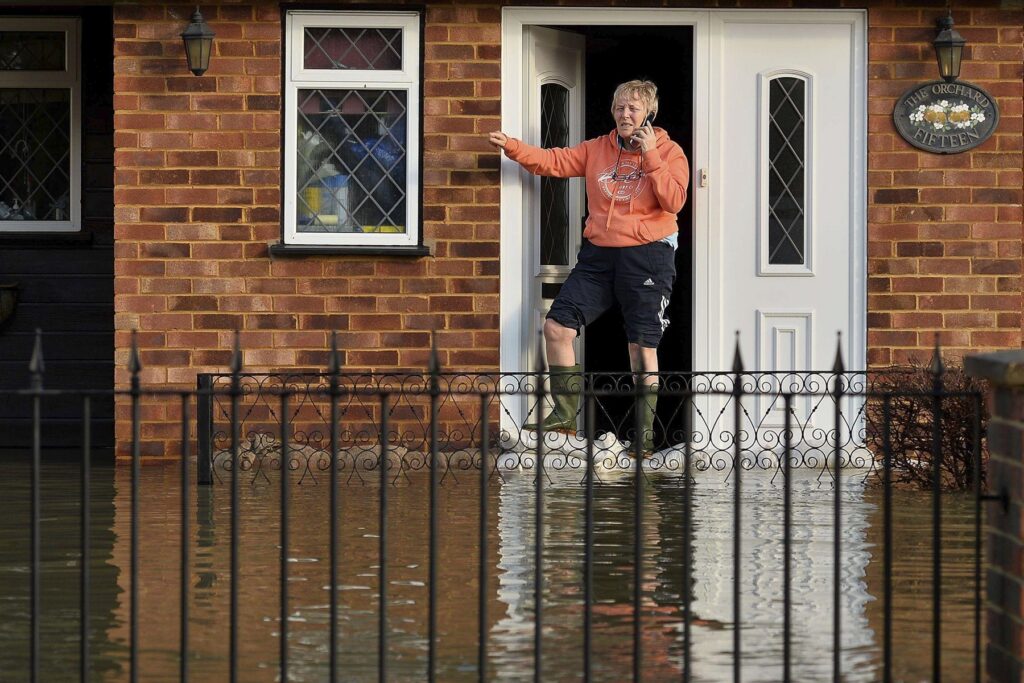
Following inundation from riverine flooding or flash floods from intense summer downpours, the rapid removal of contaminated water is our top priority. We manage the safe cleanup, decontamination, and structural drying for properties affected by these events, from homes in Telina to commercial buildings near Auckland Creek.
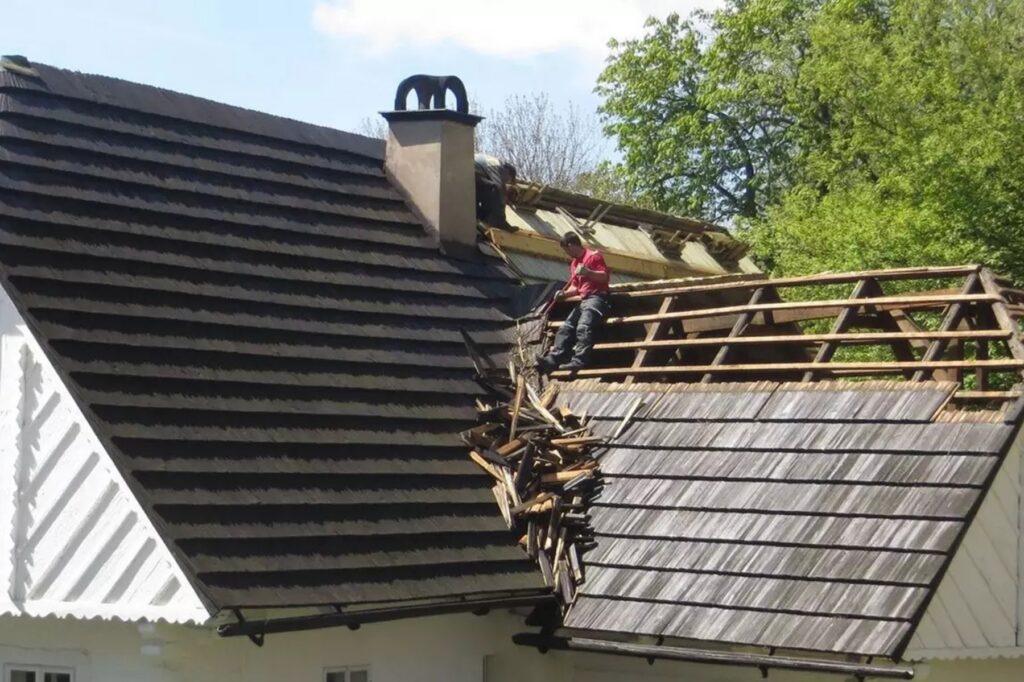
Our teams are equipped for water intrusion from severe thunderstorms and ex-tropical cyclones that can cause roof failure, compromised windows, and overwhelmed stormwater systems. The ever-present threat of cyclones in Central Queensland informs our processes, which are designed to address the deep structural saturation these high-wind, high-rainfall events cause.
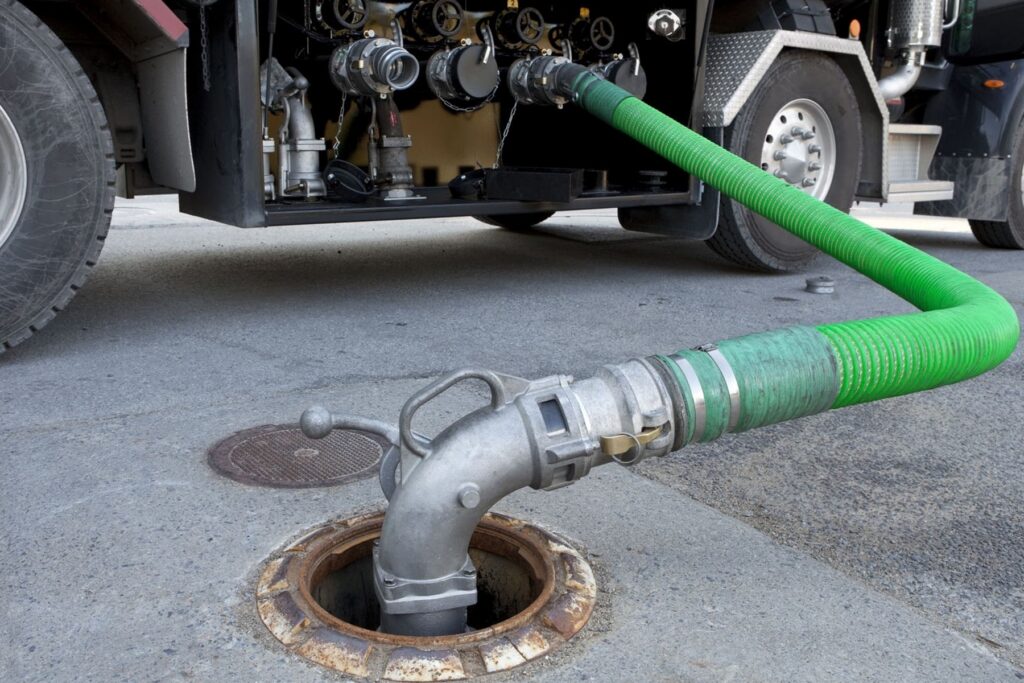
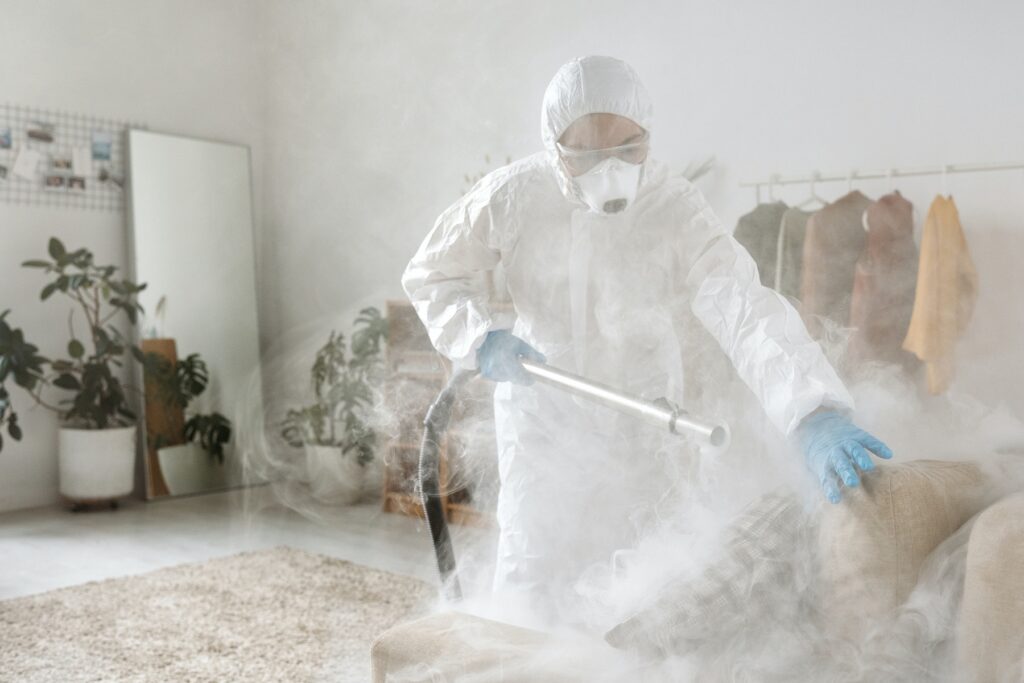
We are trained and certified to safely remediate structures affected by grey water (Category 2, e.g., washing machine overflows) and black water (Category 3, from sewage backflows, river flooding, or industrial sources). This involves the physical removal of contaminants, application of antimicrobial treatments, and complete sanitisation of the indoor environment, adhering strictly to IICRC S500 protocols. A sewage leak in a Goondoon Street business requires a different and more urgent response than a clean water leak, and we are certified for both.
We use thermal imaging cameras and non-invasive moisture meters to precisely map hidden moisture within wall cavities, under vinyl flooring, and beneath concrete slabs. This data allows for the strategic placement of high-velocity air movers and LGR dehumidifiers to establish a controlled drying environment. This scientific methodology is essential for properly drying the timber frames of Queenslanders and the slab foundations of industrial sheds without causing long-term structural problems.
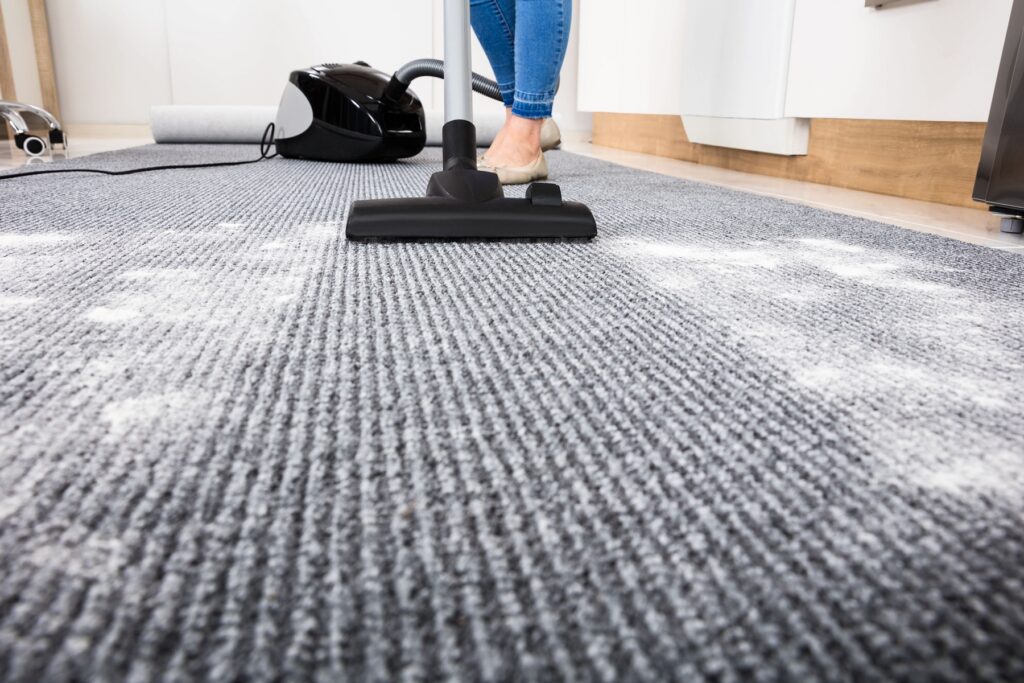
We have specific, field-tested protocols for drying materials unique to Gladstone properties. This includes restoring water-damaged carpets in commercial offices, managing the controlled drying of timber floors in older Queenslander homes to prevent cupping and warping, and addressing complex water intrusion issues in large industrial facilities within the Gladstone State Development Area.
Many high-set homes in Gladstone’s older suburbs suffer from damp, poorly ventilated sub-floor spaces. Water intrusion here often goes unnoticed until musty odours permeate the living areas above. We specialize in accessing and drying these confined spaces, treating timber stumps and bearers for mould, and providing actionable recommendations for improving sub-floor ventilation to prevent recurrence.
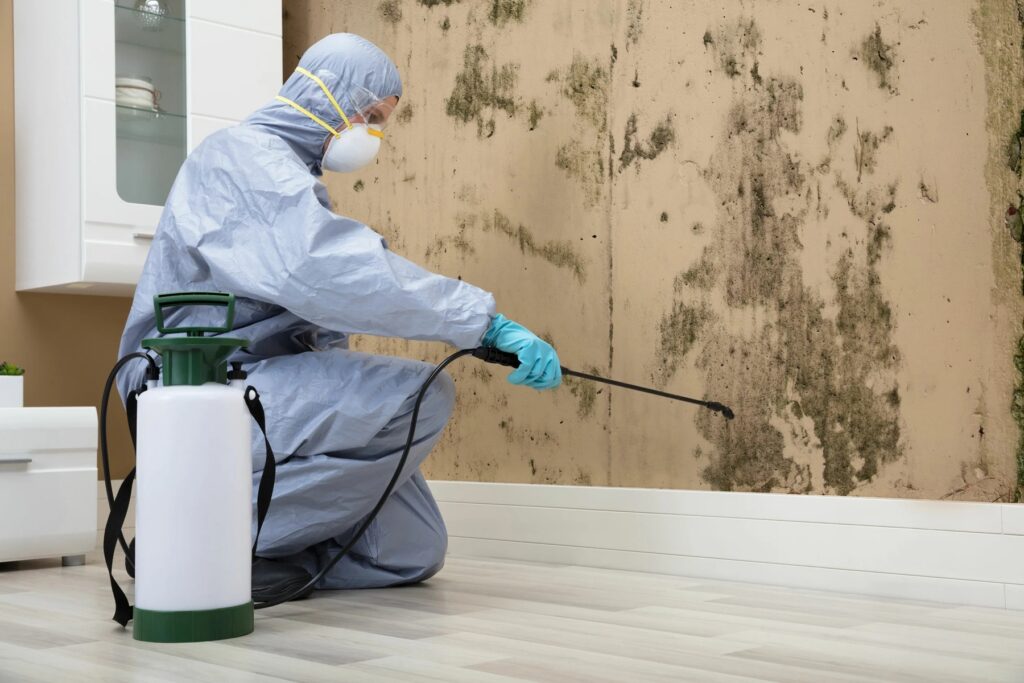
Our IICRC-certified technicians perform comprehensive mould inspections, establish containment zones to prevent cross-contamination of spores, and carry out safe mould removal according to the globally recognized AS/NZS S520 standard. Critically, we focus on identifying and providing clear guidance on fixing the underlying moisture source, which is the only permanent solution to preventing mould regrowth in Gladstone’s perpetually humid environment.
We have restored hundreds of water-damaged properties for homeowners, industrial site managers, and body corporates throughout the Gladstone Region.
We provide 24/7 emergency water damage restoration services throughout the Gladstone region and its surrounding communities. Our primary service areas include:
When you call us, you get a local team that understands the layout of the region and can guarantee a rapid, efficient response.
Every lead technician on our team holds IICRC certifications in Water Damage Restoration (WRT) and Applied Structural Drying (ASD). This formal, science-based training is non-negotiable for our work. We combine this knowledge with years of hands-on experience solving Gladstone-specific problems, from overflowing washing machines in apartment blocks to complex water ingress in industrial plants at the Port of Gladstone.
We invest in equipment proven to perform in Central Queensland’s climate, such as Phoenix LGR dehumidifiers and HEPA 500 air scrubbers. Our thermal imaging technology allows us to “see” moisture behind walls and under concrete, ensuring we find and eliminate all trapped water that would otherwise lead to costly mould issues or threaten the structural integrity of a building.
The AS/NZS S500 is the official Australian and New Zealand standard for professional water damage restoration. It is not a guideline but a formal, scientific framework for assessing, drying, and validating every restoration project. By adhering strictly to this standard, we ensure our work is compliant with the requirements of all major Australian insurers and is based on proven restoration science. This protects you, your property, and your insurance claim. All work is also performed in accordance with the standards and regulations set by the Queensland Building and Construction Commission (QBCC).


Our goal is to be on-site anywhere in the core Gladstone, Boyne Island, or Tannum Sands area within 60-90 minutes of your call, 24/7.
Yes. We work with all Australian insurance companies, including Suncorp, AAMI, GIO, and others. We provide detailed reports, moisture logs, and photographic evidence in the format they require to help streamline your claim.
Not always. If the water is clean (Category 1) and we begin extraction and drying within 24 hours, carpets can often be saved. For contaminated water (Category 2 or 3), replacement is usually necessary.
It depends on the extent of the damage, the materials affected, and the humidity. Typically, structural drying takes 3-5 days. We will be able to give you a more accurate timeline after our initial assessment.
Yes. We use thermal imaging cameras and calibrated moisture meters to find and map all affected areas, including inside walls, under floors, and in ceiling cavities. This is a critical step to prevent future mould problems.
This depends on the type of water and the extent of the damage. We will conduct a full assessment and advise you on safety. If the water is from a sewage source (Category 3), or if mould is extensive, it may be necessary to relocate temporarily.
Call us now for immediate dispatch. Our local technicians are ready to respond 24 hours a day, 7 days a week.